Your SFA app
Dies where the dealers are
Built online-first, it stops working exactly where rural coverage stops.

The season is six weeks long. The dealer is two hours from signal. The credit decision is due today. Run the season like a campaign.
Your SFA app
Built online-first, it stops working exactly where rural coverage stops.
Your credit register
Season credit is extended on relationships — and discovered to be overdue in the off-season.
Your scheme sheets
Early-bird slabs, advance-booking discounts, liquidation support — each calculated differently in each region.
Your AI tool
It charts liquidation lag. Someone still has to move stock before expiry.
Agri-input selling is seasonal by nature: advance bookings before the sowing window, dealer and retailer beats during it, liquidation and collections after — one cycle, one system.
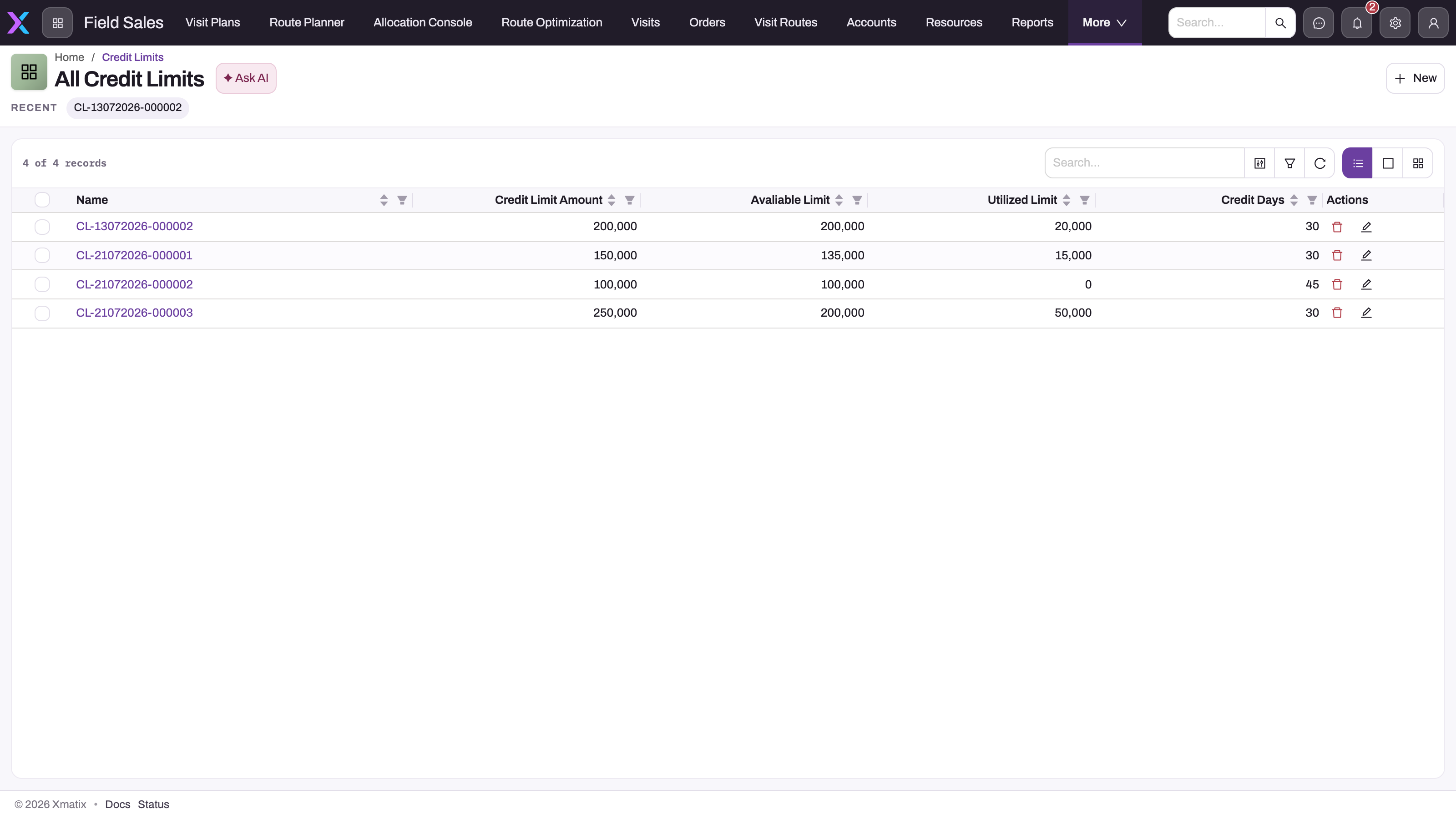
Early-bird slabs, advance-booking discounts and liquidation support are governed definitions applied identically in every order — and season credit is real credit control: limits, terms and overdue gates enforced at order time, with exposure visible per dealer all season.
Explore Rewards & Trade Schemes →Beats, bookings, credit and the agents that keep the window honest.
Coverage two hours past the signal, farmer demos on the record.
Read the deep diveEarly-bird slabs priced identically; advances that reconcile themselves.
Read the deep diveLimits at order time, collections on the beat, liquidation by batch.
Read the deep diveThe counter open all season: orders, credit, claims at 9pm.
Read the deep diveBooking pace against the sowing window, watched daily.
Read the deep diveSeeds, crop protection and fertiliser in India sell in seasons — kharif and rabi — through distributors, dealers and village retailers, many of them hours from reliable signal. The selling window is weeks long, credit is extended on relationships, and the scheme sheet changes by region. Agri-input dealer and distributor management software has to run the whole season on one record: advance bookings against early-bird schemes, village beats that work offline, season credit enforced at the moment of order, liquidation tracked by batch, and collections before the next season's credit decision. xMatix does that on one platform, with GST invoicing and e-way bills raised from the same documents.
The cycle starts with a season plan by territory and crop window and advance bookings against early-bird slabs, with advances collected and adjusted on despatch. During the window, field officers work village-cluster beats — dealer stock checks and orders, retailer calls, farmer demos logged as geo-verified activities — all offline, synced by evening. After it, liquidation is tracked by batch, returns and collections close the season, and dealers see their own position on the dealer portal.
| Season stage | What the software has to do | Fails when |
|---|---|---|
| Pre-season | Take advance bookings against early-bird slabs; collect and adjust advances | Bookings live in a spreadsheet and slabs are recomputed by each regional manager |
| Sowing window | Run village beats, dealer orders and farmer demos offline | The app needs signal in the villages where the dealers are |
| Every order | Apply season credit limits, terms and overdue gates | Credit is checked after the despatch, or not at all |
| Mid-season | Show bookings against target and coverage against the sowing calendar | The first report arrives after the window closes |
| Post-season | Track liquidation and returns by batch; collect before re-extending credit | Unsold stock at dealers is discovered in the off-season |
Yes. Dealer visits, stock checks, orders, collections and farmer demos are captured offline on the mobile app across rural India and queue in a durable outbox, syncing when the officer reaches coverage.
Yes. Early-bird slabs, advance-booking discounts and liquidation support are defined once and applied identically in every order — the field app, the dealer portal and the back office — with advances adjusted on despatch.
Credit limits, terms and overdue gates are enforced when the order is placed; an over-limit or overdue dealer's order is held and routed for approval on the record. Invoices carry GST on the line, and e-way bills are raised from the despatches that need them.
Yes. Stock at dealers is tracked by batch through the season, so liquidation, returns and expiry exposure are visible per dealer and per batch rather than reconstructed after the season.